

Dive Brief:
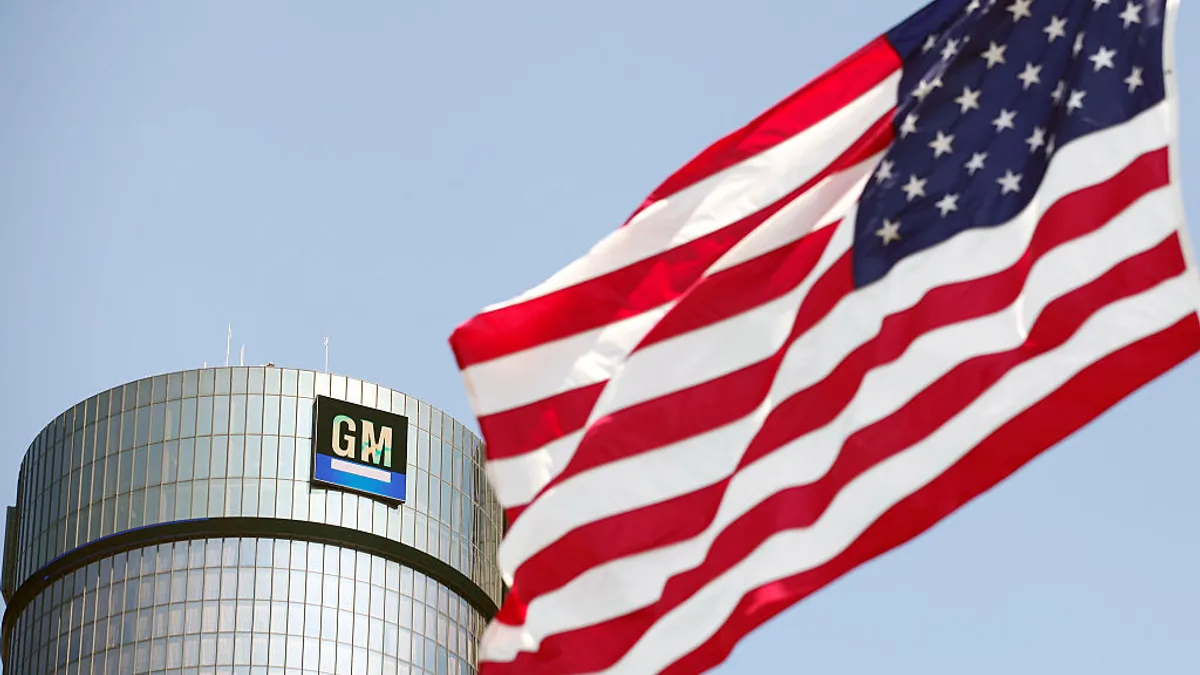
- Nearly 55% of autoworkers represented by the United Auto Workers voted to approve the unionâs agreement with General Motors, according to results on the UAWâs website.
- Thirteen GM facilities, including eight assembly plants, voted against the tentative agreement.
- UAW-represented autoworkers at Ford Motor Co. and Stellantis also appear poised to approve their respective deals, with about 67% voting âyesâ at both companies as of Thursday morning.
Dive Insight:
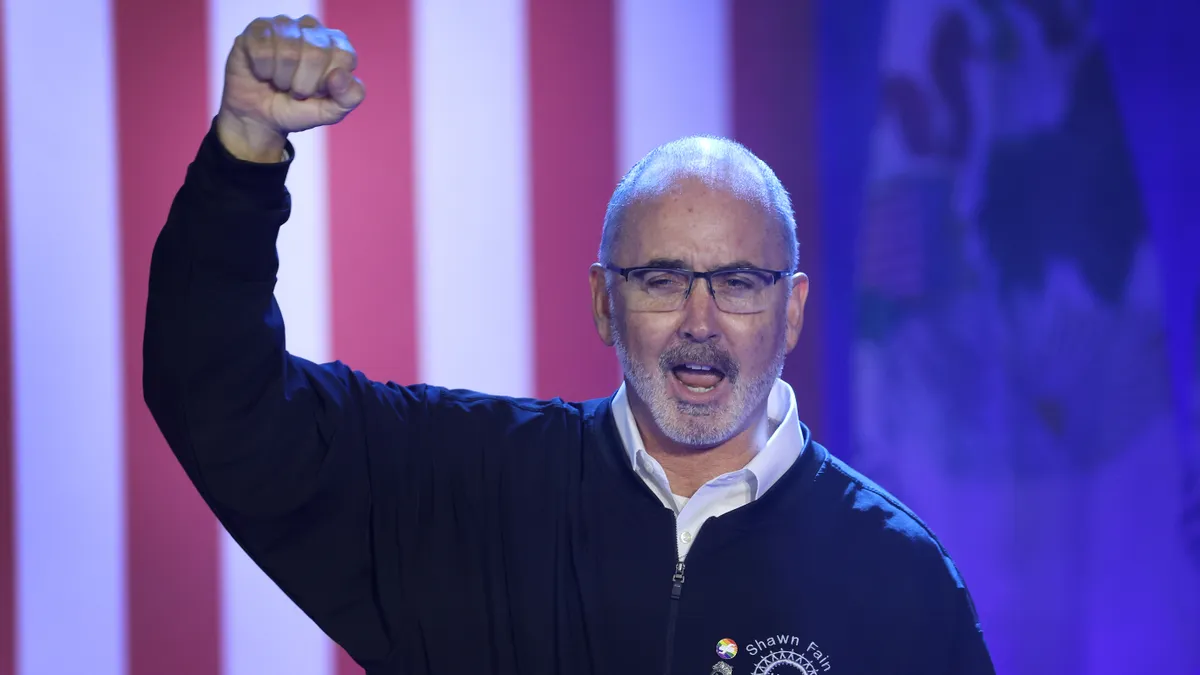
GM and UAW President Shawn Fain dodged a bullet after several facilities voted against the agreement earlier this week. It would have been a major blow to GM and UAW leadership if autoworkers voted down the deal after more than six weeks of contentious negotiations and Fainâs victory lap following the tentative agreement, including an appearance with President Joe Biden.
The automaker declined a request for comment, and the UAW did not immediately respond to a request for comment.
If UAW-represented employees at Ford and Stellantis ratify their tentative agreements with the union, the UAWâs leadership will likely turn its attention to organizing nonunion automakers in the U.S. like Tesla and Toyota.
GMâs deal with the UAW is similar to those with Ford and Stellantis. It includes a 25% base wage increase over four and a half years, cost-of-living adjustments and the ability to strike against plant closures.Â
While those terms are marked improvements over the automakersâ previous agreement with the UAW, many union members say they deserve a larger slice of the pie.
Some UAW-represented autoworkers, especially those with more tenure, are miffed that less experienced autoworkers received larger wage increases than those at the top of the pay scale, according to CNBC. Theyâre also irritated that Fain and the UAW failed to deliver a 32-hour work week and notably improved retirement benefits for its members, despite promising to prioritize them in negotiations.
âI donât think the tentative agreement goes far enough. I think itâs divisive. It doesnât get rid of the tiers, and it doesnât meet all of our needs as a whole,â Brian Keller, a former UAW presidential candidate and an employee at Stellantisâ Mopar parts operations, told CNBC. âYou got to remember, we were stagnant from the time of the bankruptcy to 2015. We didnât get no wage increases.â