

Dive Brief:
- California regulators are examining how automakers and others handle data collected from internet-connected vehicles, the California Privacy Protection Agency said late last month.
- The agencyâs enforcement division is investigating whether those companies are following âCalifornia law when they collect and use consumersâ data,â CPPA Executive Director Ashkan Soltani said in a statement.
- California is âplaying catchupâ with European regulators, who have already investigated automakersâ consumer data practices and compelled them to disclose more information, Foley & Lardner Partner Aaron Tantleff said in an email.
Dive Insight:
The âinvestigation comes as no surprise,â Tantleff said, given the large amount of potentially sensitive data that automakers and other companies collect from internet-connected vehicles.
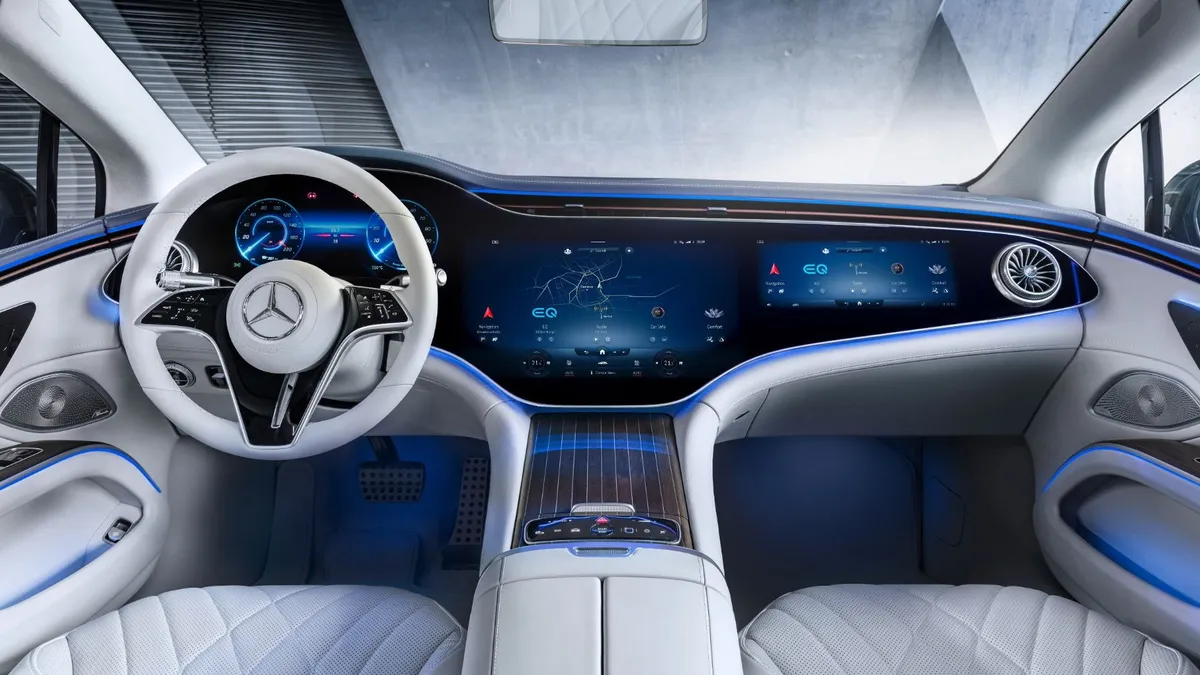
âModern vehicles are effectively connected computers on wheels. Theyâre able to collect a wealth of information via built-in apps, sensors, and cameras, which can monitor people both inside and near the vehicle,â Soltani said.
That data, alone or in combination with third-party data, can reveal an individualâs most personal information, including their location and travel behavior, health status and religion, Tantleff said. âThe risks are endless,â going far beyond the highly detailed consumer profiles used for targeted advertising.
But he said automakersâ privacy policies are vague, hard to find and difficult to understand.
âMost people have no real insight as to whatâs actually being collected and who that data is being shared with,â Tantleff said. Thereâs âno easy way for a consumer to limit what data is collected, how itâs used, and who itâs shared with.â
The CPPA is reviewing whether the automotive industry is complying with the California Consumer Privacy Act of 2018, which gives Californians the right to know what personal information businesses collect from them. It also empowers consumers to delete their personal data and block companies from selling or sharing it.
Some jurisdictions, including the European Union, require car manufacturers to notify consumers what data is collected and how itâs used or shared. Some also allow drivers to limit what information they provide, as well as revoke consent or turn off features connected to personal data collection, Tantleff said.